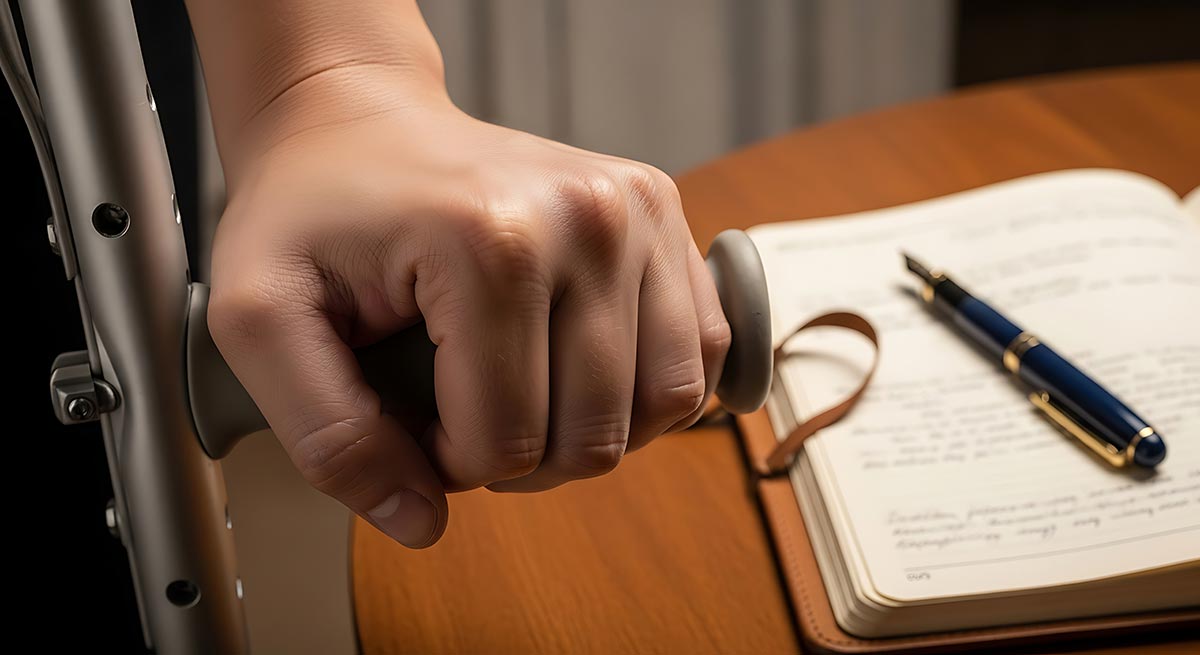
When people think about a personal injury case, they usually think about police reports, medical records, and insurance paperwork. Those documents are certainly important, but there is another piece of evidence that is often overlooked: a personal injury journal.
Over the years, I have encouraged many clients to keep a written record of how their injuries affect their daily lives. It is a simple habit that can provide valuable insight into the challenges someone experiences after an accident. While medical records tell part of the story, a personal journal helps explain the human side of an injury.
If you have been hurt in a car accident or another incident caused by someone else’s negligence, taking a few minutes each day to document your recovery can make a meaningful difference.
Why a Personal Injury Journal Matters
A serious injury affects much more than just your physical health. It can impact your ability to work, spend time with your family, enjoy hobbies, and complete everyday tasks. These personal struggles are not always fully reflected in medical records.
A journal creates a timeline of your recovery. It helps preserve details that are easy to forget as weeks and months pass. By the time a case reaches settlement negotiations or trial, it may be difficult to remember exactly how you felt during those first few weeks after the accident.
Writing things down while they are fresh gives you a more accurate picture of your recovery and provides important context for your legal claim.
What You Should Record
Your journal does not need to be complicated. In fact, simple and consistent entries are often the most useful.
You can include information such as:
- Your pain level each day
- Physical limitations you experience
- Medical appointments and treatments
- Medications you are taking
- Activities you can no longer enjoy
- Sleep difficulties
- Emotional challenges such as anxiety or frustration
- Missed work or reduced work responsibilities
These details help create a complete picture of how your injury has affected your life beyond the doctor’s office.
Be Honest and Consistent
One of the most important things I tell clients is to be completely honest in their journal. This is not the place to exaggerate symptoms or make your condition seem worse than it is.
Some days you may feel better than others. That is perfectly normal. Your journal should reflect both good days and bad days. Honest documentation is far more credible than entries that suggest every single day is equally difficult.
Consistency is also important. Writing a short entry several times a week is generally more valuable than writing a long summary once every few months.
Document Emotional Recovery Too
Physical injuries often receive the most attention, but emotional recovery matters as well.
Many accident victims experience stress, anxiety, frustration, or fear after a serious collision. Some become nervous about driving again. Others struggle with changes to their daily routines or feel discouraged because they cannot participate in activities they once enjoyed.
These emotional effects are real and deserve attention. Recording them in your journal helps demonstrate the full impact of the injury on your life.
Include Important Milestones
Recovery is rarely a straight line. There may be setbacks, improvements, and unexpected developments along the way.
Your journal should note important milestones such as:
- Returning to work
- Beginning physical therapy
- Completing surgery
- Receiving new diagnoses
- Being released from medical restrictions
- Experiencing setbacks or complications
These milestones help tell the complete story of your recovery and provide useful context for medical records.
Keep Supporting Documents Together
While your journal is valuable on its own, it becomes even stronger when paired with organized documentation.
I recommend keeping copies of:
- Medical bills
- Prescription receipts
- Physical therapy schedules
- Insurance correspondence
- Photographs of injuries
- Repair estimates for damaged vehicles
- Pay stubs showing lost wages
Keeping everything together makes it easier for both you and your attorney to understand the progression of your case.
Avoid Posting Your Recovery on Social Media
One mistake I often caution people against is documenting their recovery publicly instead of privately.
Social media posts can easily be misunderstood or taken out of context. A single photograph from a family gathering may be used by an insurance company to argue that your injuries are less serious than claimed, even if the photo tells only a small part of the story.
Your personal journal is different. It provides thoughtful, detailed, and private documentation that accurately reflects your recovery.
If you are involved in an active personal injury claim, it is generally wise to limit what you share publicly until your case is resolved.
A Journal Supports Better Communication
Another benefit of keeping a journal is that it helps you communicate more effectively with your doctor and your attorney.
Instead of trying to remember when your pain worsened or which activities became more difficult, you can refer to your written entries. This leads to more accurate discussions and ensures that important details are not forgotten.
Clear communication often leads to stronger medical records and a better understanding of how your injury has progressed over time.
Final Thoughts
Recovering from a serious injury is about much more than healing physically. It is about rebuilding your daily life, regaining confidence, and moving forward after an unexpected event.
A personal injury journal is a simple tool, but it can become one of the most valuable records you create during your recovery. It documents your experiences, preserves important details, and provides a clearer picture of how an injury has affected every aspect of your life.
As an attorney, I have seen firsthand how thoughtful documentation can strengthen a claim and help ensure that the full impact of an injury is understood. Taking a few minutes each day to record your recovery is a small investment of time that may provide significant benefits later.
Most importantly, your journal reminds you how far you have come. Recovery can feel slow when you are living through it, but looking back at your own words often shows the progress you have made. That perspective is valuable not only for your legal case but also for your personal journey toward healing.